


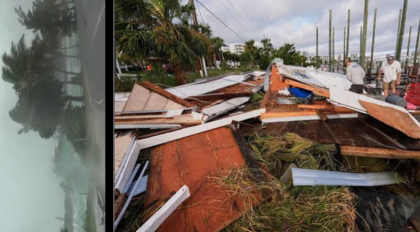
Hurricane Isaias was one of the notable tropical storms of the 2020 Atlantic hurricane season. It developed in late July 2020, strengthened into a hurricane, and traveled through parts of the Caribbean before affecting the Bahamas and the eastern United States. Although it was classified as a Category 1 hurricane at its U.S. landfall, its effects reached far beyond the coastline. Strong winds, heavy rainfall, flooding, and widespread power outages disrupted daily life in numerous communities. The story of Hurricane Isaias highlights how even a relatively short-lived hurricane can cause significant damage and why preparation matters when severe weather approaches.
- What Was Hurricane Isaias?
- When Did Hurricane Isaias Form?
- The Path of Hurricane Isaias
- Hurricane Isaias Makes Landfall in North Carolina
- Damage Caused by Hurricane Isaias
- How Hurricane Isaias Affected Daily Life
- Hurricane Isaias and Emergency Preparedness
- The Importance of Weather Forecasts
- Lessons Learned from Hurricane Isaias
- Conclusion
- FAQs
What Was Hurricane Isaias?
Hurricane Isaias was a tropical cyclone that formed over the Atlantic Ocean in July 2020. It became the ninth named storm of the 2020 Atlantic hurricane season and eventually reached hurricane strength. Like other tropical cyclones, Isaias developed over warm ocean water and gained energy from the surrounding atmosphere.
The storm affected several Caribbean islands before moving toward the southeastern United States. Its strongest impacts included damaging winds, heavy rain, coastal hazards, and disruptions to electricity and transportation. While its classification remained relatively modest compared with major hurricanes, its wide-reaching effects demonstrated that a storm does not need to reach Category 3 or higher to create serious problems.
When Did Hurricane Isaias Form?
Hurricane Isaias developed into a tropical storm on July 30, 2020. It strengthened as it moved through the Caribbean and became a hurricane shortly afterward. During its journey, meteorologists monitored its changing intensity, movement, and potential threats to populated areas.
The storm continued toward the Bahamas and the southeastern United States before making landfall in North Carolina on August 4, 2020. It then traveled rapidly along the U.S. East Coast, affecting communities farther north before weakening. Its progression showed how quickly tropical weather conditions can change and why residents should follow official forecasts throughout a storm’s development.
How Did the Storm Develop?
Hurricanes generally form when warm ocean water supplies moisture and heat to a developing weather system. As warm, moist air rises, it can help create thunderstorms and lower atmospheric pressure. Under suitable conditions, these thunderstorms organize into a rotating tropical cyclone.
Isaias developed from a tropical wave, a disturbance that moved westward across the tropical Atlantic. Warm waters helped support its development, while atmospheric conditions influenced its changing strength. Wind shear, which occurs when winds differ in speed or direction at different altitudes, can disrupt a storm’s structure and limit its intensification.
These factors help explain why hurricanes sometimes strengthen rapidly and sometimes struggle to maintain their organization. Even experienced forecasters must continually evaluate changing conditions to estimate a storm’s future path and intensity.
The Path of Hurricane Isaias
Hurricane Isaias traveled across the Caribbean, affected the Bahamas, and moved toward the southeastern United States. After reaching North Carolina, it accelerated north-northeastward along the East Coast. Its movement brought hazardous weather to areas far from its original point of formation.
A hurricane’s path is important because it determines which communities may experience the strongest winds, heaviest rainfall, and most dangerous coastal conditions. However, the storm’s center does not tell the whole story. Tropical cyclones can spread damaging weather across a broad area, meaning places outside the projected centerline may still face serious risks.
Impact on the Caribbean
The Caribbean experienced several effects from Hurricane Isaias, including heavy rainfall, strong winds, rough seas, and localized flooding. Islands with mountainous terrain can be particularly vulnerable to intense rainfall because water flows rapidly downhill, sometimes causing flash floods and landslides.
Flooding can damage roads, affect homes, and interrupt access to essential services. Strong winds can also damage roofs, uproot trees, and disrupt electrical networks. For communities with limited resources, repairing this damage can take considerable time.
The storm’s passage reinforced the importance of regional weather monitoring and early warnings. When a tropical system approaches an island, residents need accurate information about rainfall, wind conditions, evacuation guidance, and possible coastal hazards.
The Bahamas and Florida
As Isaias approached the Bahamas, the storm brought hazardous weather conditions that required close monitoring. Tropical systems can create dangerous seas and heavy rainfall even when their centers pass away from a particular community.
Florida also faced concerns about the storm’s approach, including coastal hazards, rain, and gusty winds in affected areas. However, Isaias did not make its U.S. hurricane landfall in Florida. Its main U.S. landfall occurred farther north, near the North Carolina coast.
This distinction is important when understanding hurricane reports. A state can experience storm-related hazards without receiving a direct landfall, and a storm’s effects can extend well beyond the area where its center crosses land.
Hurricane Isaias Makes Landfall in North Carolina
On August 4, 2020, Hurricane Isaias made landfall near Ocean Isle Beach, North Carolina, as a Category 1 hurricane. At landfall, its maximum sustained winds were approximately 85 mph, placing it within the lowest hurricane category on the Saffir-Simpson Hurricane Wind Scale.
Although Category 1 hurricanes are less intense than major hurricanes, they can still cause considerable damage. Winds of this strength can damage roofs, break tree branches, uproot trees, and bring down power lines. Heavy rainfall and coastal flooding can create additional hazards.
North Carolina’s coastal communities had to contend with dangerous weather, while the storm’s movement inland brought its effects to other states. The event demonstrated why residents should take hurricane warnings seriously regardless of the storm’s category.
What Happened After Landfall?
After moving inland, Isaias traveled quickly through the Mid-Atlantic and northeastern United States. It affected areas including Virginia, Maryland, New Jersey, New York, and parts of New England.
As the storm moved northward, its structure and intensity changed. Nevertheless, strong wind gusts, rain, falling trees, and power disruptions continued to affect communities. Its rapid movement also meant that hazardous conditions spread across a large region within a relatively short period.
Eventually, Isaias weakened and transitioned into an extratropical cyclone as it moved toward eastern Canada. This is a natural process in which a storm loses its tropical characteristics as it interacts with cooler air and changing atmospheric conditions.
Damage Caused by Hurricane Isaias
Hurricane Isaias caused damage across the Caribbean and the eastern United States. The overall effects varied from place to place, depending on wind exposure, rainfall, local infrastructure, and the condition of buildings and trees.
Some communities experienced damage to homes, businesses, roads, and electrical systems. Fallen trees blocked streets, while flooding created difficulties for residents and emergency crews. In certain locations, cleanup and restoration continued after the storm had moved away.
The economic impact of a hurricane includes more than the cost of repairing physical damage. Businesses may lose income, transportation networks may be interrupted, and households may face unexpected expenses. These indirect effects can place considerable pressure on local economies.
Power Outages and Infrastructure Problems
Power outages were among the most disruptive consequences associated with Isaias. Strong winds and falling trees damaged electrical infrastructure, leaving many customers without electricity.
When power disappears, ordinary activities become difficult. Refrigerators stop working, communication devices lose their charge, and some businesses cannot operate normally. Extended outages can also create additional challenges for people who depend on electrically powered equipment or need refrigerated medication.
Repairing electrical networks after a storm can be complicated because fallen trees, blocked roads, and dangerous working conditions may delay crews. This is why emergency preparations should include flashlights, backup phone chargers, drinking water, and a safe way to receive official updates.
How Hurricane Isaias Affected Daily Life
The consequences of Hurricane Isaias extended beyond damaged buildings and disrupted electricity. Schools, businesses, public transportation, and household routines were affected in areas experiencing severe weather.
Families sometimes had to remain indoors, postpone travel, or deal with property damage. Business owners faced the possibility of lost sales and unexpected repair bills. Road closures and fallen trees also made it harder for emergency responders and utility workers to reach certain locations.
For many communities, recovery required cooperation among residents, local authorities, utility companies, and emergency services. Neighbors helping one another, clearing debris safely, and checking on vulnerable residents can make a meaningful difference after a storm.
Hurricane Isaias and Emergency Preparedness
One of the most important lessons from Hurricane Isaias is that preparation should begin before dangerous weather arrives. Waiting until a storm is nearby can leave families with fewer options, especially if roads become flooded or shops close.
Residents in hurricane-prone regions should monitor official weather forecasts and understand the difference between a watch and a warning. A hurricane watch generally means hurricane conditions are possible within the specified area, while a hurricane warning means those conditions are expected. People should always follow local authorities’ instructions because the timing and meaning of alerts depend on the hazard being discussed.
Preparing a household emergency plan is another useful step. Family members should know where to go, how to contact one another, and what to do if they lose electricity or need to evacuate.
Building a Hurricane Emergency Kit
A basic hurricane emergency kit can help a household manage disruptions for several days. Useful supplies include drinking water, nonperishable food, a flashlight, extra batteries, a first-aid kit, essential medications, hygiene products, and a portable phone charger.
Important documents should be stored in waterproof protection, and emergency contacts should be available even if a mobile phone loses power. Families with children, older adults, pets, or specific medical needs should include supplies appropriate to their circumstances.
Generator safety is particularly important. Portable generators must be operated outdoors, far away from doors, windows, and ventilation openings. Never run a generator inside a home, garage, or enclosed space because carbon monoxide can cause fatal poisoning.
The Importance of Weather Forecasts
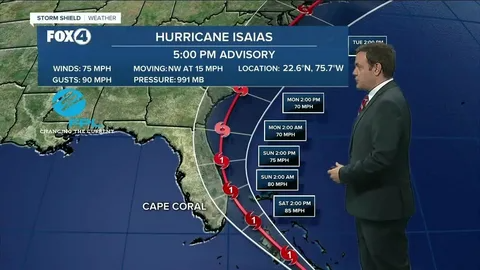
Modern hurricane forecasting combines satellite observations, radar, ocean measurements, aircraft data, and computer models. These tools help meteorologists estimate a storm’s movement, intensity, and potential hazards.
Forecasts are valuable, but they cannot eliminate uncertainty. A hurricane may change direction or strength, and rainfall can vary significantly across a region. Residents should therefore avoid relying on a single forecast image or assuming they are safe simply because the storm’s center is predicted to pass elsewhere.
Official weather agencies and local emergency management departments provide guidance designed for specific locations. Following their updates helps people make informed decisions about travel, shelter, evacuation, and outdoor activities.
Lessons Learned from Hurricane Isaias
Hurricane Isaias showed that a Category 1 hurricane can still cause widespread disruption. The storm affected multiple regions, damaged infrastructure, and created challenges that continued after its strongest winds had passed.
It also highlighted the importance of resilient infrastructure. Stronger construction practices, properly maintained electrical networks, effective drainage systems, and sensible land-use planning can help reduce the impact of future storms.
Individual preparedness is equally important. A stocked emergency kit, a clear family communication plan, and attention to official warnings can reduce confusion when conditions deteriorate. Communities cannot prevent hurricanes from forming, but they can take practical steps to reduce the risks.
Conclusion
Hurricane Isaias was a significant Atlantic storm that affected the Caribbean and the eastern United States in late July and early August 2020. After developing over the Atlantic, it strengthened into a hurricane, moved through the Caribbean and Bahamas, and made landfall near Ocean Isle Beach, North Carolina, on August 4. Its damaging winds, heavy rainfall, flooding, and power outages demonstrated how even a Category 1 hurricane can disrupt communities across a wide area.
The experience of Hurricane Isaias offers an important reminder: hurricane safety depends on preparation, reliable information, and quick responses to changing conditions. By understanding past storms and taking emergency planning seriously, families and communities can better protect themselves when the next hurricane approaches.
Read more: https://tellingstar.com/kelly-osbourne/
FAQs
1. When did Hurricane Isaias occur?
Hurricane Isaias developed in late July 2020 and affected the Caribbean and the United States into early August. It made U.S. landfall on August 4, 2020.
2. Where did Hurricane Isaias make landfall?
It made landfall near Ocean Isle Beach, North Carolina, on August 4, 2020, as a Category 1 hurricane.
3. What category was Hurricane Isaias at landfall?
Isaias was a Category 1 hurricane at its North Carolina landfall, with maximum sustained winds of approximately 85 mph.
4. Which areas were affected by Hurricane Isaias?
The storm affected parts of the Caribbean, the Bahamas, and the eastern United States. Its impacts extended from the southeastern United States into the Mid-Atlantic and northeastern states.
5. What damage did Hurricane Isaias cause?
The storm caused damage associated with strong winds, heavy rainfall, flooding, falling trees, and power outages. The severity of its effects varied by location, and some communities experienced disruptions to transportation, businesses, and everyday life.